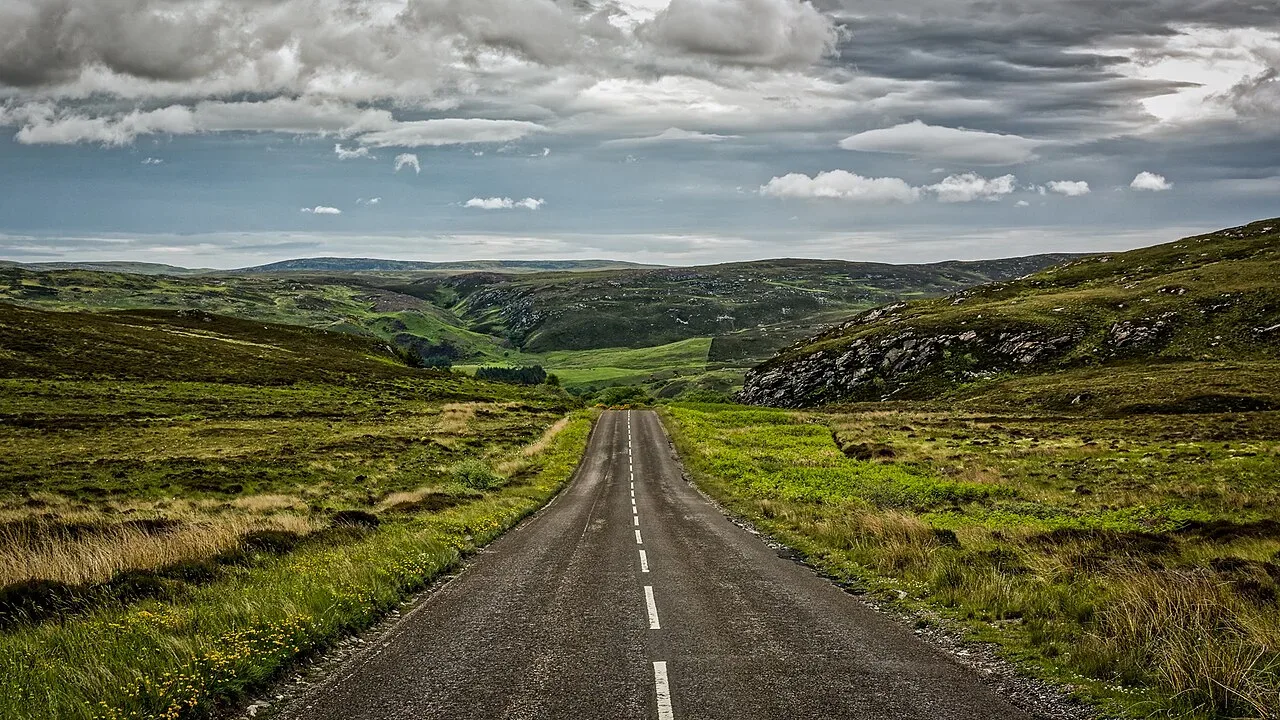
A narrow single-track road winding through the Scottish Highlands

Route guide

Scotland North Coast 500

Scotland's North Coast 500 is a 516-mile loop from Inverness that should be paced around single-track roads, passing places, village traffic, and stops rather than its raw distance. VisitScotland recommends 5–7 days or more; seven days is the stronger first-time minimum, while 9–10 days gives remote coastal sections and weather much more room.

See the route snapshot
Inverness → Inverness7-10 daysDemanding

Route snapshot

Decide from the constraints first

Core distance
516 miles / about 830 km for the signed scenic loop before local detours
Pure drive time
Do not convert 516 miles into motorway-style hours; single-track roads, passing places, livestock, viewpoints, and local traffic determine the day
Driving side
Left
Road character
Paved; substantial single-track sections
Distance
516 miles / about 830 km for the core scenic circuit
Recommended time
VisitScotland advises 5–7 days or more; this guide recommends seven for a first trip
Single track
Use passing places correctly and never park in them
Driving side
Keep left, especially when rejoining after a stop
Accommodation
Book scarce overnight capacity well ahead in peak periods

Fit check

Is this route a good fit?

Use these tradeoffs before booking accommodation into a fixed sequence.

Good for

  • Travelers who value remote coastal landscapes and small communities more than fast point-to-point driving.
  • Drivers comfortable keeping left, using passing places correctly, and allowing faster local traffic to pass.
  • Couples and small groups willing to book scarce accommodation early while keeping daily sightseeing flexible.

Think twice if

  • You are uncomfortable on single-track roads or expect other drivers to reverse long distances rather than use passing places cooperatively.
  • You plan a large motorhome but have not checked the exact roads, parking, campsite availability, and rental guidance for the sections you intend to drive.
  • You have only two or three days and would need to rush through communities and narrow roads to complete the branded loop.

Trip length

Minimum, recommended, comfortable

Trip length is treated as a planning choice, not a single magic number.

Minimum

5 days

Matches the low end of VisitScotland's official recommendation, but requires selective stops and creates little room for weather, slow traffic, walks, or a relaxed village rhythm.

Recommended

7 days

A stronger first-time plan that keeps daily mileage moderate enough for single-track driving, coastal stops, and overnight towns without treating the loop as a mileage challenge.

Comfortable

9–10 days

Best for travelers adding walks, beaches, distilleries, rest days, photography, or weather flexibility while reducing pressure on narrow remote roads.

Driving rhythm

Why map time is not trip time

  1. 01

    Traffic Scotland instructs drivers on single-track roads to pull into a passing place on the left, or wait opposite one on the right, and never park in passing places. Treat this as core route etiquette, not optional courtesy.

  2. 02

    VisitScotland recommends 5–7 days or more and specifically tells visitors to drive carefully on single-track roads. The route is a scenic circuit, not a 516-mile endurance target.

  3. 03

    Reinforce left-side habits after every viewpoint, fuel stop, or meal. Traffic Scotland highlights rejoining the road after stops as a moment when overseas drivers need to consciously keep left.

Vehicle choice

Match the vehicle to the road

Suitability is separate from rental-company permission. Verify the booking terms for your exact vehicle.

Good fit

Standard / compact car

A smaller vehicle is often easier to place on narrow roads and in village parking. Normal rental rules and current road conditions still apply.

Useful, not required

SUV

Extra space may help, but width matters on narrow roads. Do not assume a larger vehicle improves access or priority at passing places.

Check restrictions

Campervan / motorhome

Traffic Scotland has dedicated motorhome visitor guidance. Size, passing-place use, legal overnighting, parking, waste disposal, and campsite capacity should be planned separately from the scenic route itself.

Not recommended

Large motorhome on narrow optional roads

Avoid assuming every famous scenic spur suits a large vehicle. Check current local signage, rental guidance, road dimensions, and weather before committing to narrow optional sections.

Core itinerary

A practical planning spine

This is a realistic backbone, not a requirement to complete every attraction listed.

Day 1

Inverness → Torridon / Applecross area

Approx. 80–110 miles depending on route choices · Early transition into narrow west-coast roads; keep optional detours conservative

Priorities

  • Reset to left-side driving
  • Practice passing-place etiquette without rushing
  • Choose overnight location before adding scenic spurs

Overnight: Torridon, Shieldaig, or Applecross area

Do not treat the most dramatic optional mountain road as mandatory. Vehicle size, weather, visibility, and driver confidence should determine the route choice.

Day 2

Torridon / Applecross area → Ullapool

Approx. 70–100 miles depending on start · Moderate-mileage west-coast day with frequent scenic interruptions

Priorities

  • Allow faster local traffic to pass
  • Use legal parking only
  • Reach Ullapool without a late single-track push

Overnight: Ullapool

Day 3

Ullapool → Durness / north-west coast

Approx. 70–95 miles depending on base · Remote coastal day where short mileage can still consume most of the day

Priorities

  • Fuel and food planning
  • One or two meaningful coastal stops
  • Keep passing places clear

Overnight: Durness or nearby

Day 4

Durness area → Thurso / north coast

Approx. 70–90 miles · North-coast transfer with exposed weather and small-road variability

Priorities

  • Check weather before departure
  • Choose stops based on safe parking
  • Arrive before fatigue erodes single-track concentration

Overnight: Thurso or nearby

Day 5

Thurso → Wick / Caithness

Approx. 20–50 miles before local detours · Lower-mileage Caithness day

Priorities

  • One north-coast / Caithness objective
  • Use the shorter day as recovery rather than adding unnecessary mileage

Overnight: Wick or nearby

Day 6

Wick → Dornoch / Easter Ross area

Approx. 90–110 miles · Longer southbound day with progressively easier road character

Priorities

  • Maintain breaks
  • Avoid converting better roads into a speed-recovery day
  • Choose one stop rather than many rushed diversions

Overnight: Dornoch or Easter Ross

Day 7

Dornoch / Easter Ross → Inverness

Approx. 45–70 miles · Short return leg and buffer

Priorities

  • Return Inverness with margin
  • Keep onward train / flight timing separate from a tight scenic stop schedule

Overnight: Inverness

Season decision

Choose the tradeoff, not just the month

Conditions can change faster than an editorial page. Recheck official sources before departure.

May–September

Primary first-time window

Longer daylight makes narrow-road days easier to pace, but accommodation demand, traffic, midges, rain, wind, and popular parking areas still reward advance booking and flexible daily stops.

April / October

Good for experienced flexible travelers

Lower visitor pressure can help, but shorter daylight, reduced seasonal services, and more variable weather increase the importance of conservative daily distances.

November–March

Winter road trip, not the default NC500 plan

Short daylight, wind, ice, snow, seasonal closures, and reduced visitor services can materially change the experience. Check Traffic Scotland and local conditions before each leg.

FAQ

Questions that change the plan

How many days do I need for the North Coast 500?

VisitScotland advises 5–7 days or more. Five days is possible but compressed; seven days is a better first-time minimum, and 9–10 days gives the single-track west and north coasts much more room for stops and weather.

How do passing places work on NC500 single-track roads?

Traffic Scotland says to pull into a passing place on your left, or wait opposite one on your right. Passing places must not be used for parking, and they should also be used to let faster traffic behind you pass safely.

Is the NC500 suitable for a motorhome?

Motorhomes travel the route, but suitability depends on vehicle size, the exact roads and optional spurs, current conditions, parking, campsite availability, and driver confidence. Do not assume every scenic road shown in social media is appropriate for a large vehicle.

Which direction should I drive the NC500?

The official route can be driven either way. Direction matters less than your accommodation sequence, weather, vehicle choice, and comfort with the narrow west-coast sections, so avoid treating clockwise or anti-clockwise as a universal rule.

Compare the road type

Put this route back in context.

Are your vehicle, schedule, and confidence ready for long gaps between fuel, help, or a reliable signal?

See the remote roads comparison

Official sources

Verify the changing parts

Operational facts were reviewed on 2026-09-03. Road conditions, access, and winter requirements can change sooner.

Packing context

Categories that match the road

These are planning categories, not a shopping list. Choose equipment for the actual forecast, activity and vehicle plan.

Waterproof shell

Highland coastal weather is a core planning condition rather than a rare exception.

Warm layer

Wind and exposed coastlines can feel cold outside the vehicle in multiple seasons.

Compact day bag

Useful for castle, beach, village and walking stops where vehicle parking may be limited.

Offline phone power

Remote stretches make offline navigation and dependable battery margin useful.

RoadTrip Guide is part of Horizon Outdoor. No product or affiliate link is required for this guidance to be useful.